Life’s Imprint: Lithographs by Jack Shadbolt
In 1993 I had the opportunity to follow the legendary Canadian artist Jack Shadbolt as he took on his latest challenge: producing a multicolour 4-piece lithograph for lithographer Torrie Groening. Jack had produced black and white lithos before, but an eight-colour, four-piece litho was a whole new challenge for him.

Jack painting on a sheet of acetate prior to rolling the sheet through a press onto paper.
I followed Jack for nearly a year in his Burnaby studio (since demolished) and at Groening’s Prior Editions gallery in Gastown, Vancouver. Jack gave me an enviable level of access, and kindly allowed me to interview him on several occasions over the year he worked on the piece.

Jack exploring ideas in his Burnaby studio
Jack explored various ideas in his studio and then began to work at Prior Editions on a regular basis. He began with an outline of each of the four pieces. Then he painted one colour on the acetate, saw how it looked, then added another colour, and slowly built up the piece, colour by colour. The project took a dramatic turn midway through when Jack became dissatisfied with where things had landed and left, and unsure of the direction he would take, and leaving Torrie in fits.

Just before Jack walked away and started over…
I was lucky enough to capture on camera these moments, as well as his excited return a few weeks later with a new vision for the piece. The moment when it all came together, when it worked, was priceless. The moment every artist aspires to, when, as Jack says, the work “sings”.

The resulting half-hour documentary, Life’s Imprint: Lithographs by Jack Shadbolt, was broadcast on CBC, Bravo! and Knowledge Network, and acquired by museums and art galleries across Canada. A low resolution version can be found (in three parts) on Youtube at https://www.youtube.com/watch?v=fsRKjhtJ0Ic and a digital remaster of the original production is planned; stay tuned!

Part 1 of the four-part lithograph, ‘Jardin Noir’, 1993
Nicholas Mosley: Writing Life
After film school I had the enviable opportunity to join producer John Banks and fly to England and Spain to shoot a documentary about the life and writing of the British peer, novelist and biographer Nicholas Mosley. Banks had written the forward to the US (Dalkey Archive Press) editions of his Catastrophe Practice series of novels and had become a close friend.
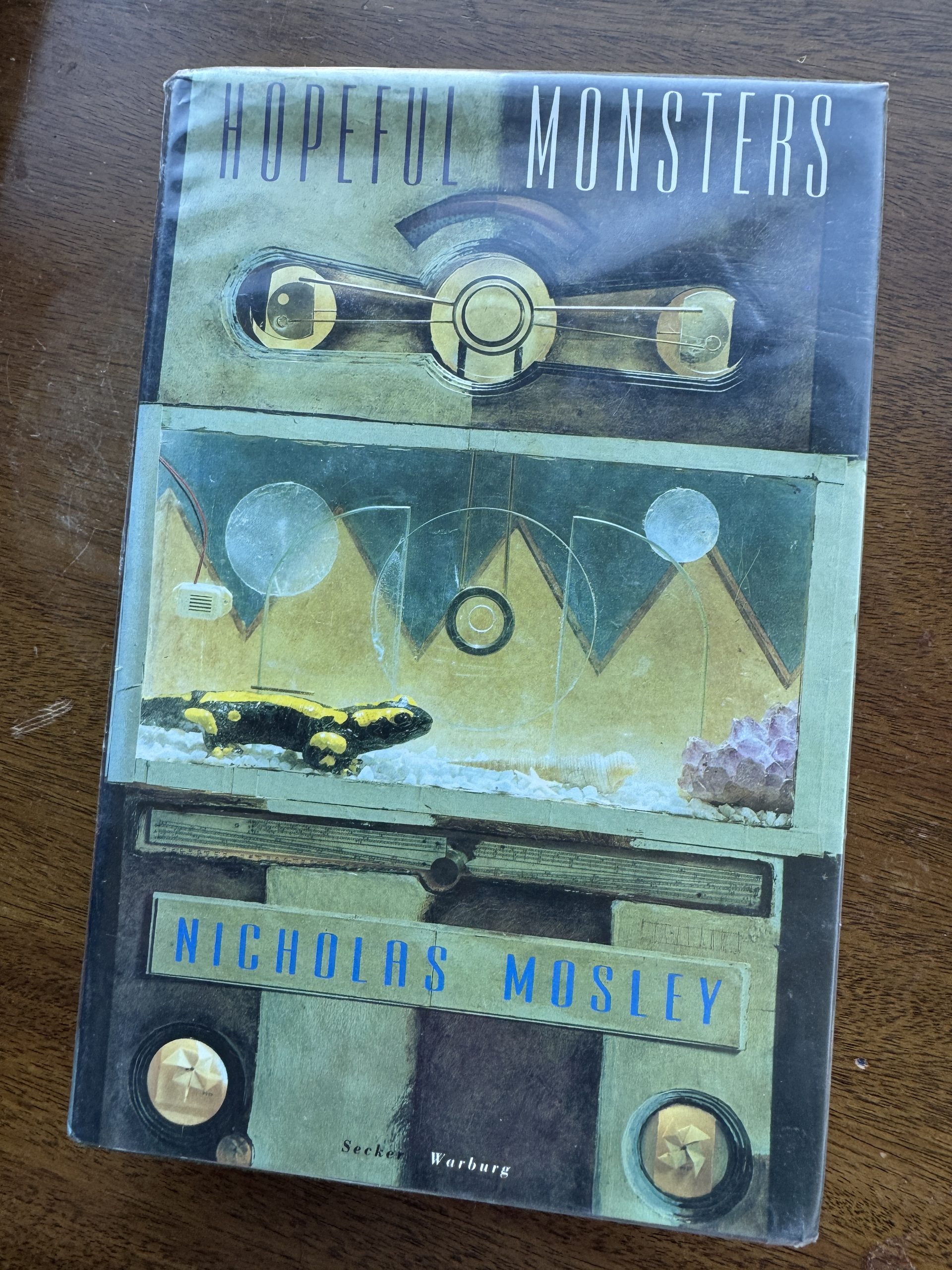
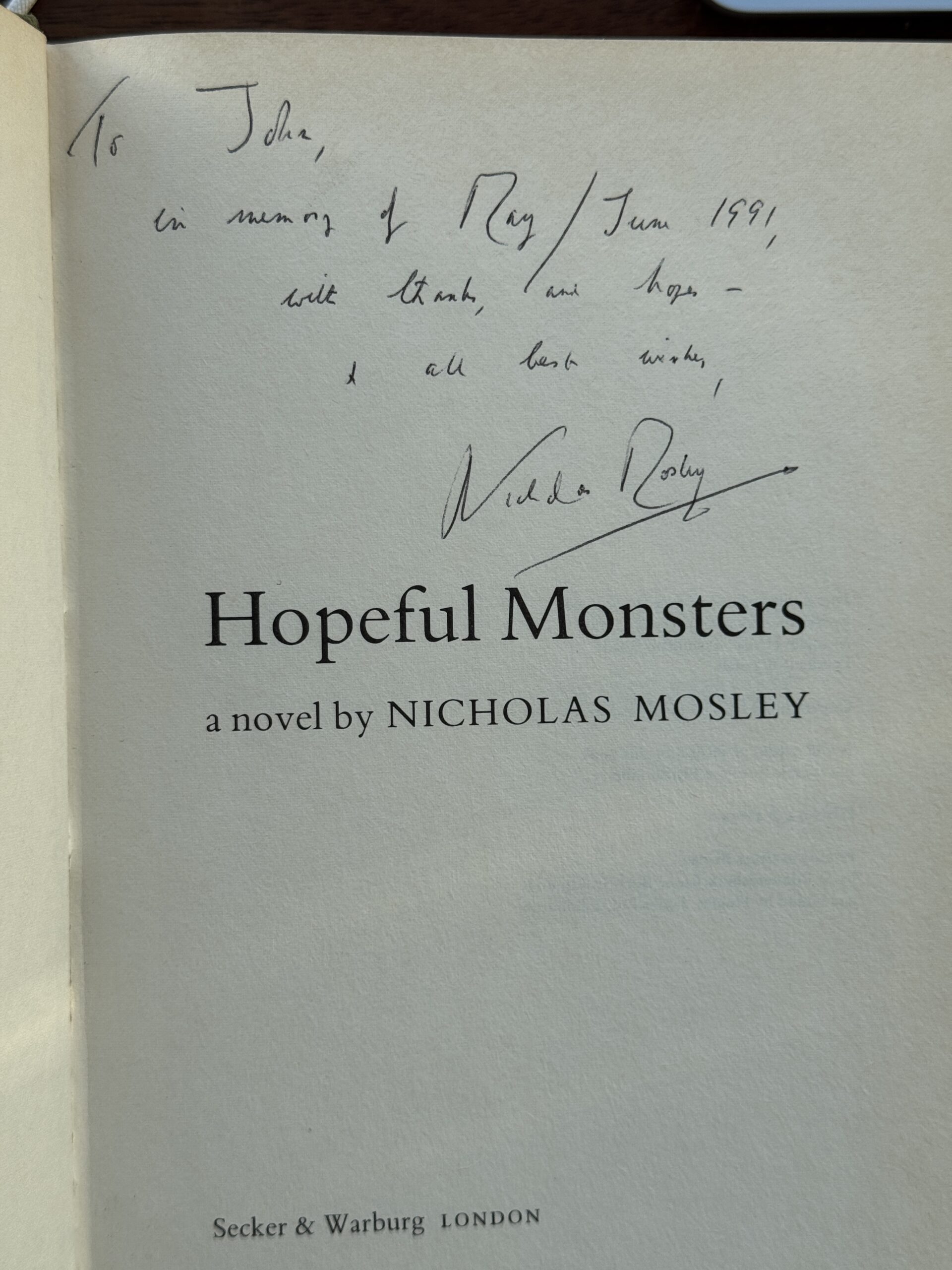
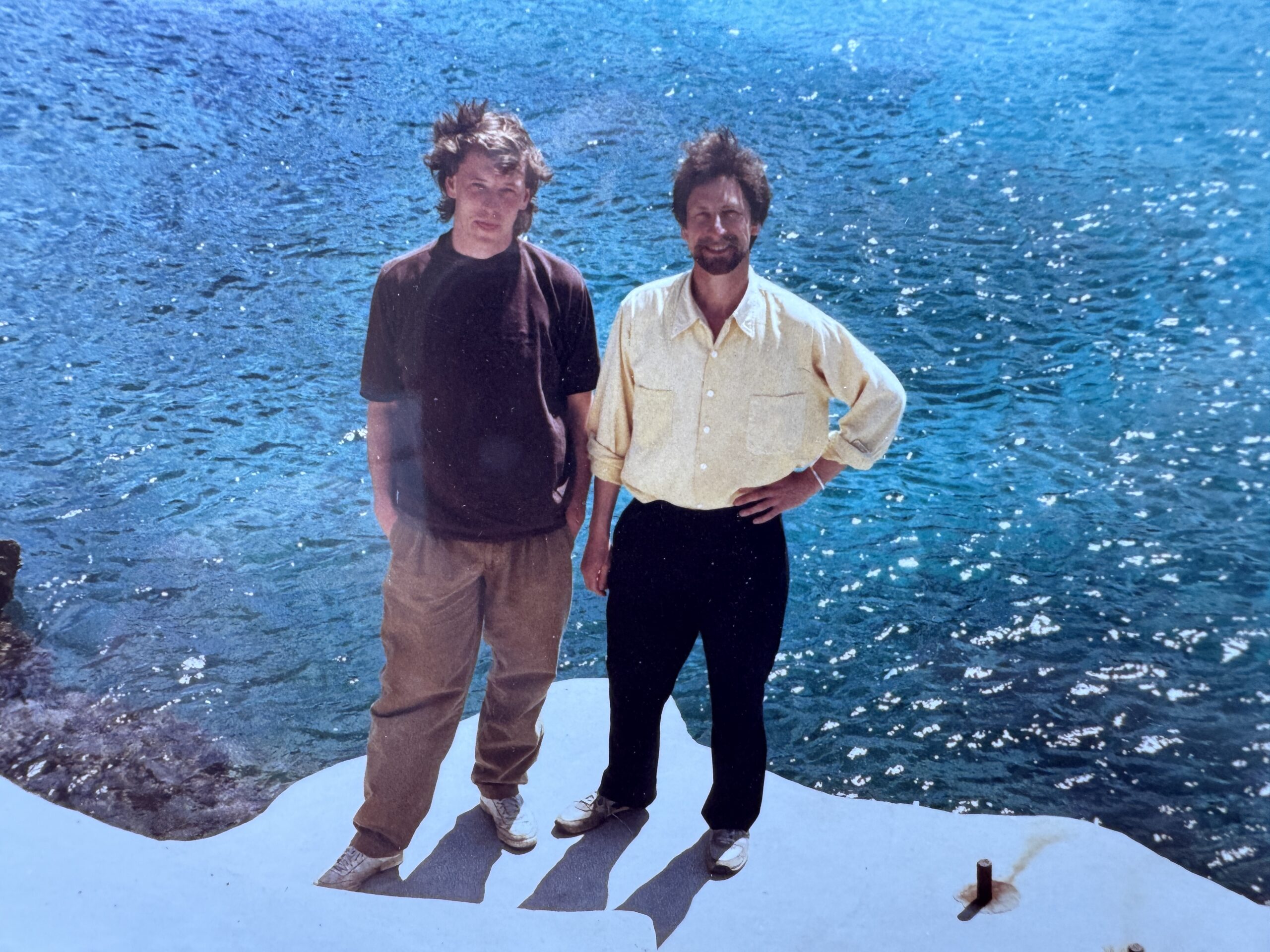
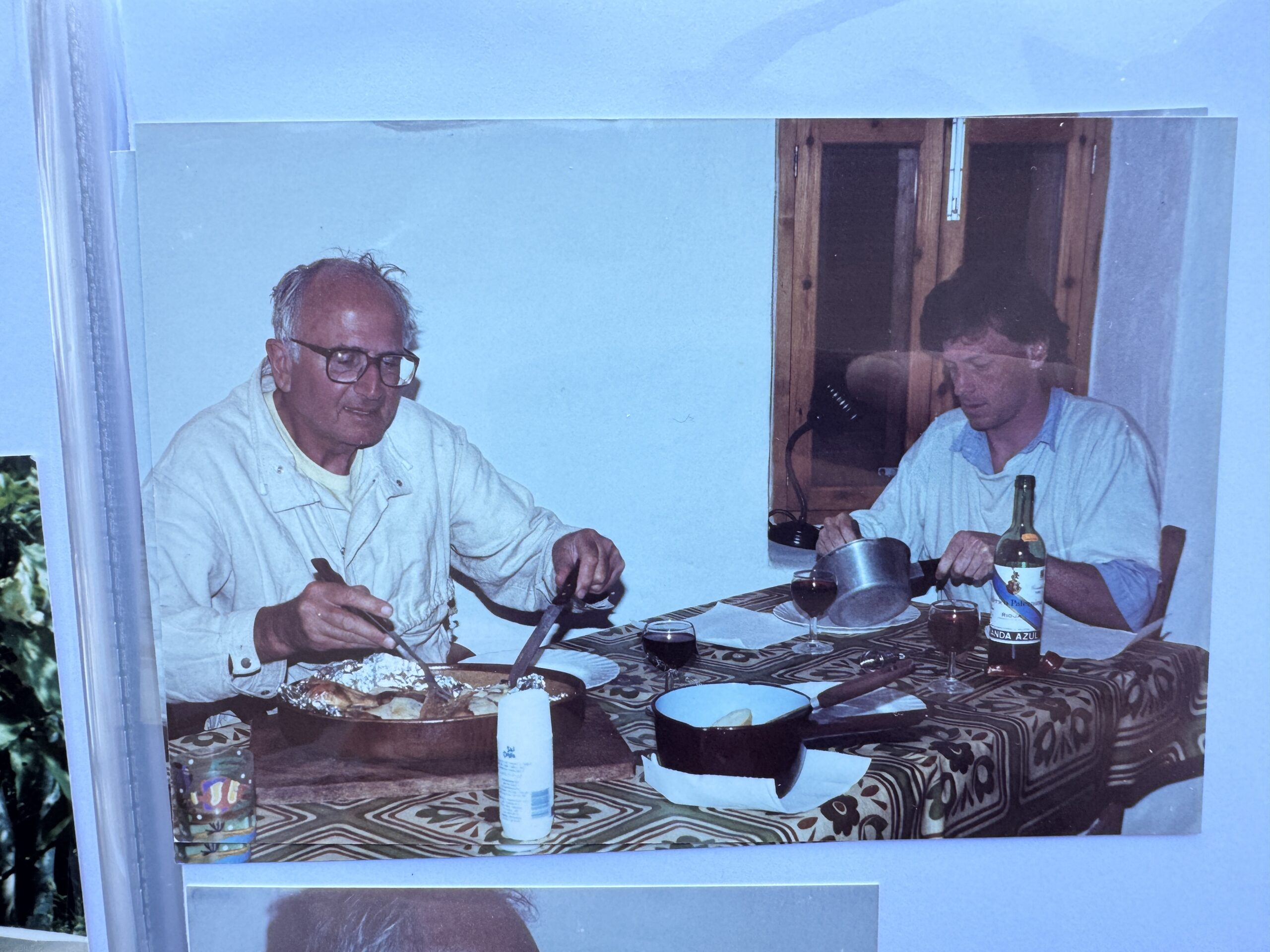
Mosley’s 1968 novel Accident was shortlisted for the inaugural Booker Prize, and his 1990 novel Hopeful Monsters (one of my favourite novels of all time) won the Whitbread Award. He lived a life unlike any others. His mother Lady Cynthia Curzon died when he was only nine, and his father Sir Oswald Mosley married his lover, Diana Guinness (nee Mitford), who became Nicholas’s step mother. Nicholas won the Military Cross for bravery in World War Two (Italy), disowned his fascist father, entered the house of Lords as the 3rd Baron Ravensdale and soon stepped down to write. He lived his life with a stammer, treated by the same doctor who treated King George VI (The King’s Speech). He wrote 22 novels and twelve biographies, memoirs and other non-fiction works.

We interviewed Mosley at his homes in London, Sussex and Majorca in 1991. The footage was edited into the one hour long documentary entitled Nicholas Mosley: Writing Life. A broadcast documentary license was negotiated, but due to challenges gaining the rights to the various movies made from his work, was never distributed for broadcast. However, a low-resolution educational version of the documentary was produced by John Banks and can be found at https://www.youtube.com/watch?v=NVH1n73ZG3

John Banks interviewed Mosley again in 1997 and compiled all of the interviews under the heading True to Life – Metatheory and the Writings of Nicholas Mosley. See https://www.islandnet.com/jbanks/index.html
Mosley passed away in 2017 at the age of 93.